Waterproof vs Waterproof Outdoor Tents Fabrics: What Every Camper Needs to Know
You've just set up camp, the skies look clear, and after that-- out of nowhere-- the rain rolls in. Whether your sanctuary keeps you completely dry or leaves you saturating depends upon one crucial choice made lengthy before you took off: the textile your camping tent is made from. "Waterproof" and "waterproof" are two terms that obtain considered constantly in exterior gear marketing, yet they imply really various things in practice. Recognizing the distinction could be the distinction between a great journey and a miserable one.
What Does Waterproof Actually Mean?
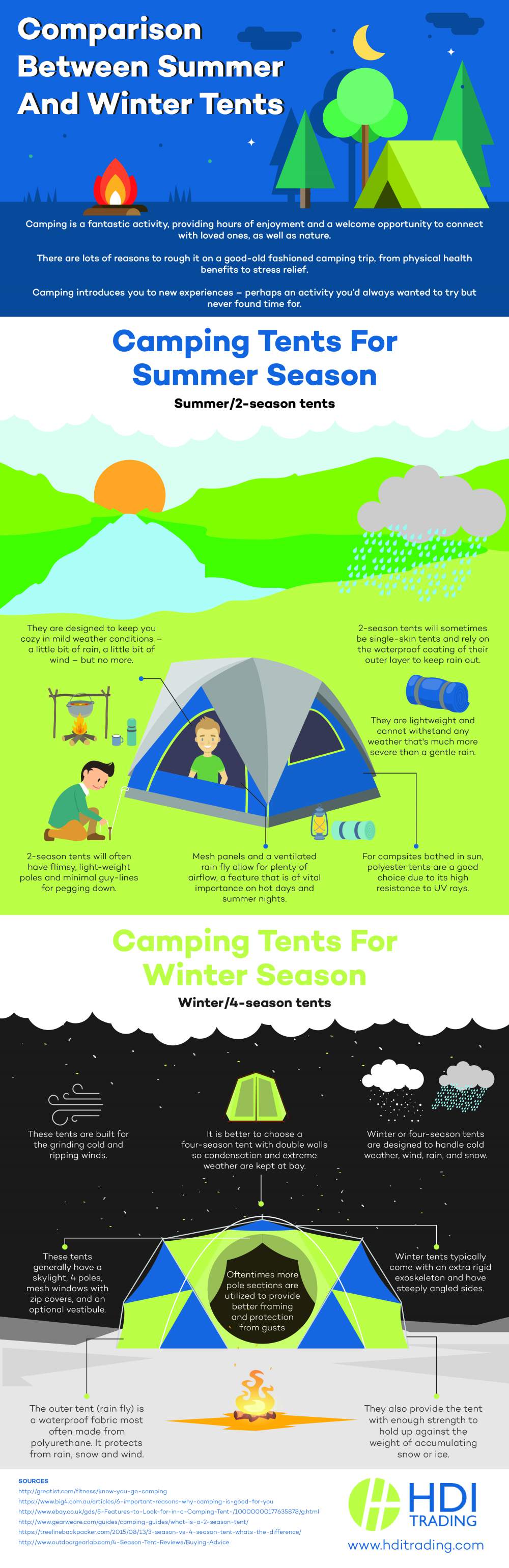
Waterproof materials are made to decrease water penetration, not stop it totally. These products are typically treated with a DWR (Long Lasting Water Repellent) covering that creates water to bead up and roll off the surface area rather than saturate straight via. It works well in light drizzles or quick showers, but continual rain will at some point overwhelm the fabric and enable moisture to leak in.
The majority of water-resistant outdoor tents materials make use of firmly woven nylon or polyester as their base. The weave itself gives some barrier, and the DWR layer adds an additional layer of defense. The essential limitation is toughness-- DWR coatings disappear over time with UV direct exposure, cleaning, and general usage. Once the finishing weakens, that "water-resistant" tag becomes much less purposeful.
Water-resistant camping tents are usually lighter and much more inexpensive, making them prominent for backpacking in light environments or fair-weather camping where heavy rainfall is not likely.
What Makes a Tent Really Water-proof?
A waterproof camping tent material goes numerous steps even more. Instead of counting solely on a surface finish, water-proof materials use a closed membrane layer or laminate-- assume polyurethane (PU) or silicone coatings put on the bottom of the material-- that literally obstructs water from passing through. The result is a material that can stand up to long term, hefty rain without letting a single decrease with.
Recognizing Hydrostatic Head Rankings
Waterproofing is gauged using a hydrostatic head (HH) rating, revealed in millimeters. This number represents exactly how high a column of water the textile can hold before water starts to leak through. A score of 1,500 mm is thought about the minimum for standard waterproofing, while 3,000 mm and above is typical for top quality tent floors and flies. High-alpine or expedition tents frequently surpass 5,000 mm.
For context, a light rain shower may put in around 1,000 mm of pressure, while a heavy downpour integrated with somebody pressing against the tent wall can push well beyond 2,000 mm. This is why that hydrostatic head number matters more than vague marketing terms.
Seam Sealing and Construction Quality
Even a completely water resistant fabric can fail if the seams aren't sealed. Every stitch opening is a possible access factor for water. Quality water-proof camping tents resolve camp lantern this with either taped seams (a strip of waterproof tape bonded over each seam) or factory-applied joint sealant. If you get a budget plan camping tent with water resistant fabric but unsealed seams, you'll still awaken wet. Constantly inspect seam construction prior to acquiring, particularly if you're camping in high-rainfall regions.
Which One Do You Actually Need?
The right choice depends on where and just how you camp.
Pick Water-Resistant If:
You camp mainly in dry environments or light seasons where sudden tornados are seldom. You focus on weight cost savings and are willing to include a different rain fly or tarp for added protection. You're a fair-weather camper who packs up and leaves at the initial indication of major weather.
Pick Waterproof If:
You camp in constantly wet environments-- rain forests, range of mountains, or coastal locations where unforeseen storms become part of the offer. You take place multi-night journeys where there's no alternative to pull back to an automobile or cabin. You're camping with family or in shoulder periods where temperature levels make staying completely dry a security concern, not simply a convenience one.
Maintaining Your Outdoor tents's Water Security
Regardless of which kind you have, maintenance prolongs its performance dramatically. Reapply DWR spray to waterproof tents every period or after several usages. For water resistant tents, check seam tape each year and re-seal any type of areas that reveal peeling or put on. Store your outdoor tents loosely as opposed to firmly pressed, and constantly dry it completely before storing to prevent mold from breaking down the coverings from the within.
The Bottom Line
Water-proof and water-resistant outdoor tents materials aren't compatible-- they serve various purposes for various campers. Water-resistant sanctuaries offer weight and expense savings for fair-weather use, while water-proof materials with correct seam securing are the only reputable selection when the climate turns severe. Know your problems, inspect those hydrostatic head rankings, and don't allow smart advertising and marketing blur the line in between remaining dry and remaining damp.